
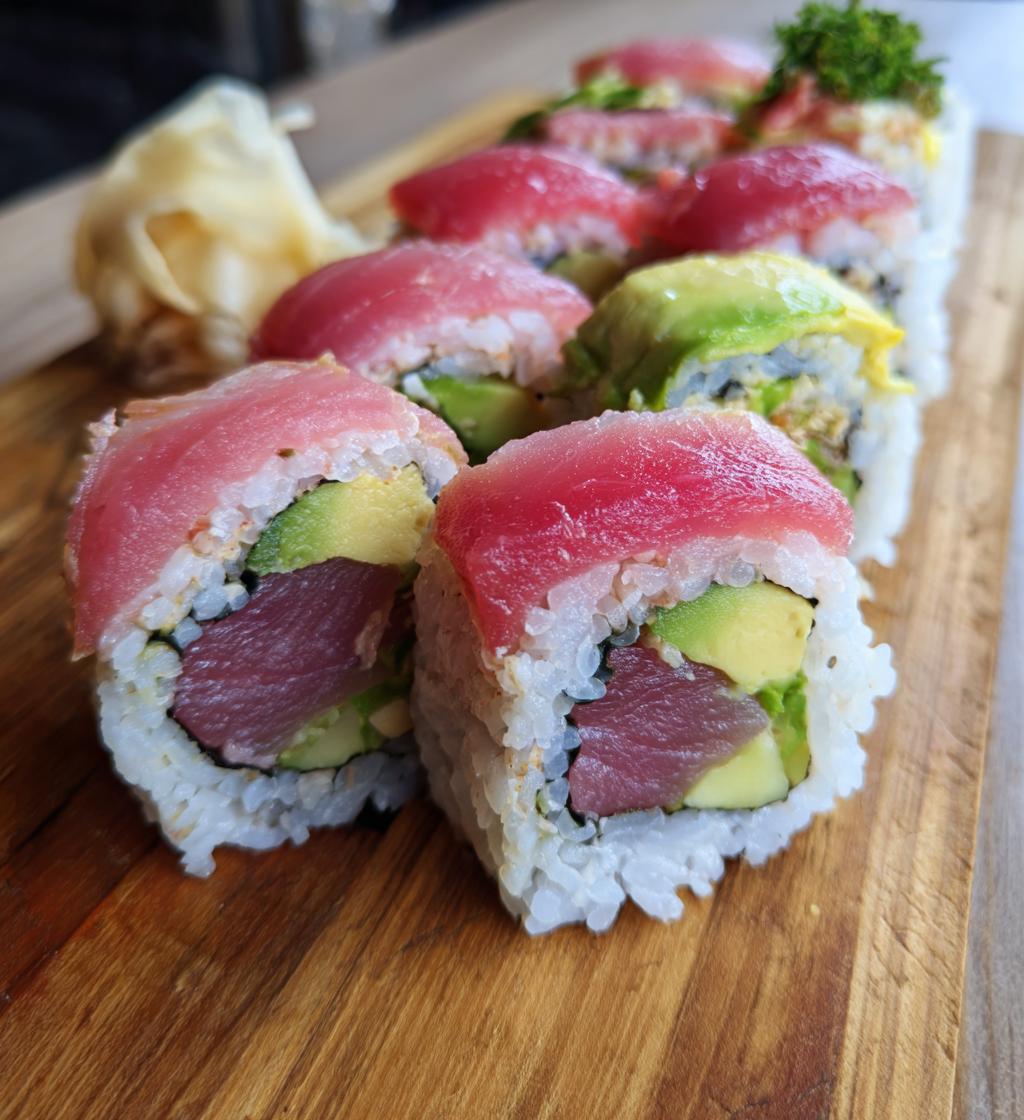
Ah, sushi! Just saying the word gets my taste buds tingling! This iconic Japanese dish has a fascinating history that goes way beyond just being a trendy food. It originally started as a means of preserving fish in fermented rice and has transformed over the centuries into the delightful rolls we enjoy today. Sushi is not just a meal; it’s a celebration of fresh ingredients, artful presentation, and cultural tradition. Each bite is an experience, bursting with flavors and textures that transport you to the bustling markets of Tokyo or a quiet seaside sushi bar.
Making sushi at home is like inviting a little piece of Japan into your kitchen. It’s not just about the food; it’s about the joy of crafting something beautiful with your own hands. You can customize your rolls to suit your taste, whether you prefer classic ingredients like fresh fish and creamy avocado or want to experiment with vibrant veggies and bold sauces. Trust me, once you roll your first sushi, you’ll be hooked! So grab your bamboo mat, and let’s dive into the delicious world of sushi-making together!
Ingredients List
To make the best sushi at home, you’ll need some quality ingredients. Here’s what you’ll gather:
- 2 cups sushi rice: This short-grain rice is crucial for the perfect texture and stickiness.
- 1/4 cup rice vinegar: This adds that delightful tang to your sushi rice.
- 1 tablespoon sugar: Just a hint of sweetness balances the vinegar.
- 1 teaspoon salt: Essential for flavoring your rice.
- 4 sheets nori (seaweed): These will wrap your sushi rolls and hold everything together.
- 1/2 pound raw fish: Choose your favorite, like fresh tuna or salmon, sliced into thin strips.
- 1 cucumber: Sliced into long, thin strips for a refreshing crunch.
- 1 avocado: Sliced for a creamy texture that complements the fish.
- Soy sauce: For dipping, because every sushi roll deserves it!
- Wasabi: A little kick to elevate your sushi experience.
Feel free to customize your fillings! You can add things like pickled vegetables, crab meat, or even tempura shrimp. The world of sushi is your oyster! Just make sure to choose fresh ingredients, especially the fish, from a reputable source. Happy rolling!
How to Prepare Sushi
Now that we’ve got our ingredients ready, let’s dive into the fun part: making sushi! Don’t worry if it feels overwhelming at first; once you get the hang of it, you’ll be rolling like a pro in no time! Follow these steps, and let’s create something delicious together.
Preparing the Sushi Rice
The sushi rice is truly the heart of your rolls, so let’s give it the attention it deserves! Start by rinsing the rice under cold water. This helps remove excess starch, which can make your rice too sticky. I usually rinse it until the water runs clear, which takes about 3-5 minutes. Once rinsed, let it drain for a minute or two. Then, cook the rice according to the package instructions. Most of the time, this means combining the rinsed rice with 2 cups of water in a rice cooker or a pot. If you’re using a pot, bring it to a boil, then cover and reduce to a simmer for about 20 minutes. After it’s cooked, let it sit off the heat for another 10 minutes to steam. This step makes a world of difference!
Making the Vinegar Mixture
While the rice is cooking, let’s whip up the vinegar mixture! In a small bowl, mix together 1/4 cup of rice vinegar, 1 tablespoon of sugar, and 1 teaspoon of salt. Stir it until everything dissolves completely. This mixture is what gives your sushi rice that lovely tanginess that pairs so perfectly with the fresh ingredients. Once your rice is ready and still warm, gently fold this mixture into it. Be careful not to mash the rice; you want to keep those grains nice and fluffy!
Assembling the Sushi
Alright, it’s time to roll! Place a sheet of nori, shiny side down, on your bamboo mat. With wet hands (this helps keep the rice from sticking), grab a handful of sushi rice and spread it evenly over the nori, leaving about an inch at the top edge. Don’t go overboard; a thin layer is all you need! Next, lay your fillings—slices of fish, cucumber, and avocado—across the rice in a line, about an inch from the bottom edge. Now comes the fun part: rolling! Gently lift the bamboo mat and start rolling away from you, tucking in that bottom edge as you go. Keep it tight but not too tight—like a firm hug! Once you reach the top edge, use a little water to seal the nori. Finally, use a sharp knife to slice the roll into bite-sized pieces. And voilà! Your homemade sushi is ready to be enjoyed! Don’t be afraid to practice; you’ll get better with every roll!
Tips for Success
Making perfect sushi at home is all about practice and a few key tips! First, always use fresh fish from a reputable source; it makes a huge difference in taste and safety. If you’re new to sushi-making, don’t hesitate to start with simple fillings like cucumber and avocado before moving on to raw fish. Trust me, it builds confidence!
When rolling, keep your hands wet to prevent sticking, and remember to roll tightly but not too tight—think of it like a cozy hug for your ingredients! If the nori tears, don’t panic; just use a little rice to patch it up. Lastly, don’t rush the slicing. A sharp knife is key for clean cuts—dipping it in water between slices helps too. You’ve got this, and soon you’ll be impressing everyone with your sushi skills!
Nutritional Information
When it comes to sushi, the nutritional content can vary quite a bit depending on the ingredients you use and the brands you choose. So, while I can give you a general idea of what to expect, keep in mind that these values are not set in stone!
For a typical serving size of one sushi roll, here’s a breakdown of the nutritional values you can expect:
- Calories: 300
- Fat: 10g
- Saturated Fat: 2g
- Unsaturated Fat: 8g
- Trans Fat: 0g
- Carbohydrates: 45g
- Fiber: 3g
- Protein: 15g
- Sodium: 600mg
- Cholesterol: 30mg
- Sugar: 2g
Remember, the fresh ingredients you choose, particularly the fish and any additional fillings, can change these numbers. So, feel free to play around with your sushi creations while keeping an eye on the nutritional impact. Happy rolling!
FAQ Section
Got questions about sushi? You’re not alone! Here are some common ones I hear often, along with my answers to help you on your sushi-making journey.
What are some popular sushi variations?
Oh, there are so many delicious options! Besides the classic rolls with raw fish, you can explore variations like California rolls with imitation crab, tempura rolls featuring crispy shrimp, or even vegetarian rolls packed with colorful veggies. Don’t be afraid to get creative!
Where should I buy fresh fish for sushi?
It’s crucial to source your fish from a reputable market. Look for local fishmongers or grocery stores with a dedicated seafood counter. Ask about their sushi-grade fish—this ensures it’s safe and fresh enough for raw consumption. Trust me, it makes all the difference!
What if my sushi rolls keep falling apart?
Ah, the classic sushi struggle! If your rolls aren’t holding together, you might be using too much filling or not rolling tightly enough. Remember, a firm but gentle roll is key. Also, using a bit of water to seal the nori helps keep everything in place.
Can I make sushi without raw fish?
Absolutely! Sushi is super versatile. You can fill your rolls with cooked seafood like shrimp or crab, or even go for a veggie-packed roll with avocado, cucumber, and bell peppers. The sky’s the limit, so have fun experimenting!
How do I store leftover sushi?
If you happen to have leftovers (which is rare in my house!), wrap them tightly in plastic wrap and store them in the fridge. Enjoy them within a day for the best taste. Just a heads up—sushi is best fresh, so make it in smaller batches if you can!
Why You’ll Love This Recipe
Making sushi at home is not just a cooking task; it’s an adventure! Here’s why you’ll fall head over heels for this recipe:
- Quick Preparation: With a total time of just 50 minutes, you can whip up a delicious sushi feast in no time!
- Customization: The beauty of sushi is that you can tailor it to your tastes. Whether you crave spicy tuna or a veggie delight, it’s all up to you!
- Fresh Ingredients: You control the quality of everything that goes into your rolls, ensuring every bite is bursting with fresh, vibrant flavors.
- Fun Experience: Rolling sushi is a creative and enjoyable process, perfect for a fun night in with family or friends.
Trust me, once you start making sushi at home, you won’t want to stop! It’s a delicious way to explore new flavors and impress your loved ones!
Serving Suggestions
To elevate your sushi experience, consider pairing it with some delightful sides and drinks! Here are a few of my favorites:
- Miso Soup: A warm bowl of miso soup is a classic companion for sushi. Its umami flavor complements the freshness of the rolls beautifully.
- Edamame: Lightly salted steamed edamame makes for a great appetizer. It’s healthy and adds a nice crunch before diving into your sushi.
- Pickled Ginger: Don’t forget to have some pickled ginger on the side! It’s perfect for cleansing your palate between different rolls.
- Green Tea: A cup of warm green tea pairs wonderfully with sushi, enhancing the flavors while providing a soothing touch.
- Sake: If you’re feeling adventurous, try some chilled sake! Its subtle flavors really enhance the sushi experience.
Mix and match these suggestions to create the perfect meal around your homemade sushi. Enjoy every bite!
Storage & Reheating Instructions
If you’re lucky enough to have some leftover sushi, storing it properly is key to keeping it fresh and tasty! Wrap each roll tightly in plastic wrap to prevent air from getting in, which can dry it out. Then, pop it in the fridge. I recommend enjoying your sushi within 24 hours for the best flavor and texture, as the rice can become hard and lose its delightful stickiness over time.
Now, if you fancy a cold sushi snack, just take it out of the fridge and enjoy! But if you want to reheat any cooked sushi (like tempura rolls), do so gently in the microwave for about 10-15 seconds on low power. Be careful not to overdo it, as you don’t want to ruin the delicate texture of the rice. Remember, fresh is best, so make sushi in batches that you can enjoy right away!
Print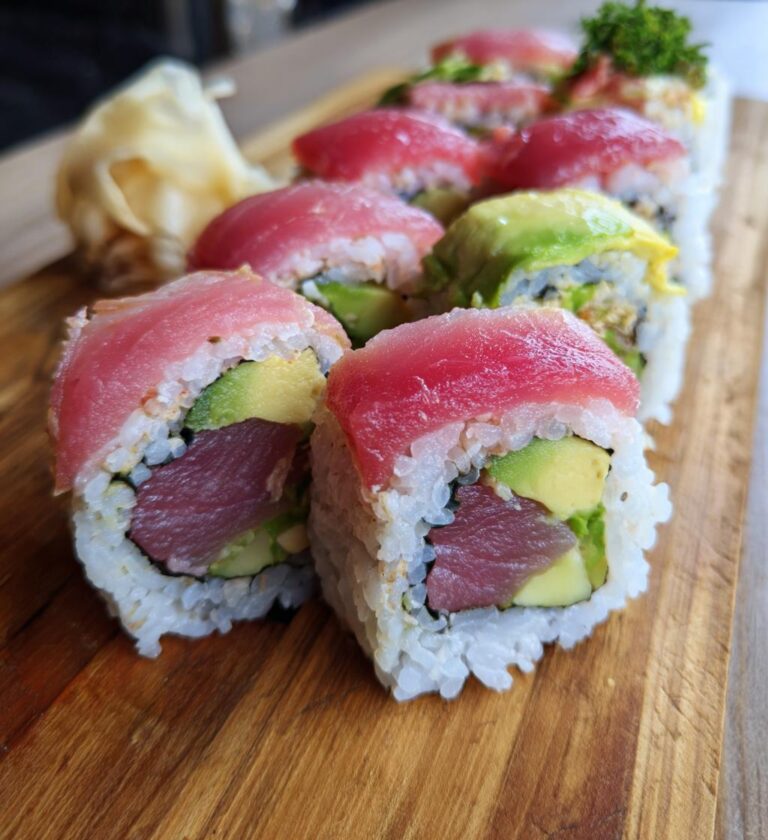
Sushi: 5 Delicious Steps to Inspire Your Culinary Adventure
Sushi is a Japanese dish consisting of vinegared rice accompanied by various ingredients, such as seafood and vegetables.
- Total Time: 50 minutes
- Yield: 4 servings 1x
Ingredients
- 2 cups sushi rice
- 1/4 cup rice vinegar
- 1 tablespoon sugar
- 1 teaspoon salt
- 4 sheets nori (seaweed)
- 1/2 pound raw fish (like tuna or salmon)
- 1 cucumber, sliced
- 1 avocado, sliced
- Soy sauce for serving
- Wasabi for serving
Instructions
- Rinse the sushi rice under cold water until the water runs clear.
- Cook the rice according to the package instructions.
- Mix rice vinegar, sugar, and salt in a small bowl until dissolved.
- Once rice is cooked, transfer it to a bowl and add the vinegar mixture. Stir gently.
- Let the rice cool to room temperature.
- Place a sheet of nori on a bamboo mat.
- Spread a thin layer of rice over the nori.
- Add fish, cucumber, and avocado on top of the rice.
- Roll the sushi tightly using the bamboo mat.
- Slice the roll into bite-sized pieces and serve with soy sauce and wasabi.
Notes
- Use fresh fish from a reputable source.
- Feel free to customize fillings to your taste.
- Practice makes perfect when rolling sushi.
- Prep Time: 30 minutes
- Cook Time: 20 minutes
- Category: Main Course
- Method: Rolling
- Cuisine: Japanese
- Diet: Gluten Free
Nutrition
- Serving Size: 1 roll
- Calories: 300
- Sugar: 2g
- Sodium: 600mg
- Fat: 10g
- Saturated Fat: 2g
- Unsaturated Fat: 8g
- Trans Fat: 0g
- Carbohydrates: 45g
- Fiber: 3g
- Protein: 15g
- Cholesterol: 30mg
Keywords: Sushi, Japanese cuisine, rolls